
What Defines a French Mediterranean Dining Room
DINING ROOM
12/9/20252 min read
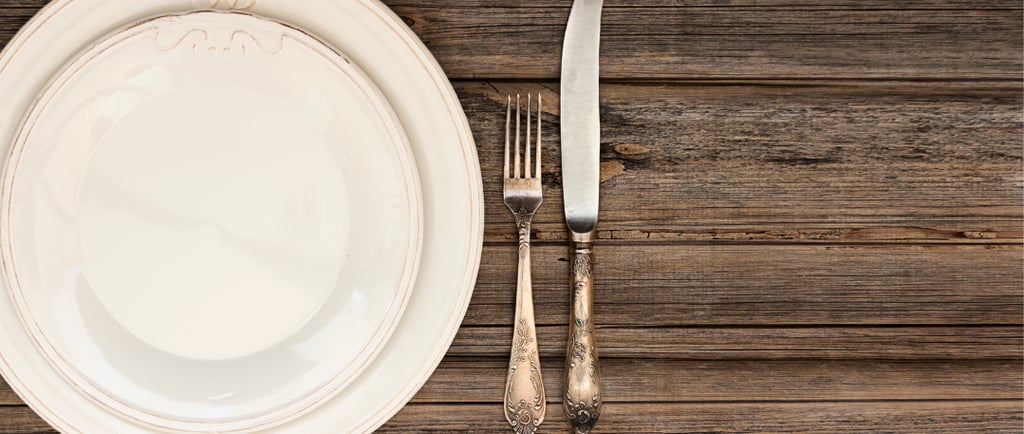
A French Mediterranean dining room is not staged. It is composed.
Light defines the space. Materials carry weight and texture. Furniture is chosen for proportion and use, not effect.
Every piece must belong. Nothing is introduced to fill space or impress. The room works because some things are deliberately left out.
Dining is not only about meals—it is about pause, presence, and comfort. This is a room meant to age gracefully while staying functional.
The principles that follow guide decisions for the entire dining area, from furniture to finishes, ensuring the room feels calm, grounded, and enduring.
Light and proportion
Light shapes everything in a dining room.
Southern light is steady and revealing. Glossy surfaces glare. Sharp contrasts dominate. Only furniture and materials that respect the light survive visually.
Proportion matters more than style. Tables, chairs, and sideboards must feel anchored without overwhelming. The space between pieces is as important as the pieces themselves.
→ Dining Room – Light and Proportion
Materials and finishes
Materials define permanence.
Stone, solid wood, linen, ceramic, and wool are preferred because they absorb light, age gracefully, and remain visually appropriate over time.
Synthetic substitutes, glossy coatings, or processed materials resist wear and quickly appear out of place under Mediterranean light.
→ Dining Room – Materials and Finishes
Seating
Seating anchors the dining room.
Chairs should be low and grounded, with proportion suited to the table and room.
Comfort is immediate, not advertised.
Scale matters horizontally and in relation to surrounding furniture.
Sculptural or visually demanding chairs rarely belong. Seating must respond to the room, not compete with it.
Color in southern light
Color exists to support light and materials.
Base tones: soft neutrals that reflect daylight
Grounding tones: olive and warm shades to anchor furniture
Depth tones: charcoal or deep brown for subtle contrast
Supporting tones: soft clay, sand, or muted accents
High contrast, sharp whites, or trend-driven colors are excluded. Color should never dominate; it responds to the room.
→ Dining Room – Color in Southern Light
Selection and curation
Not every piece belongs.
Every item must support proportion, materials, and use
If an object requires justification, it likely doesn’t belong
Space between pieces is as critical as the pieces themselves
This room is designed to endure, functionally and visually.