
Seating in a French Mediterranean Dining Room
DINING ROOM
12/13/20252 min read
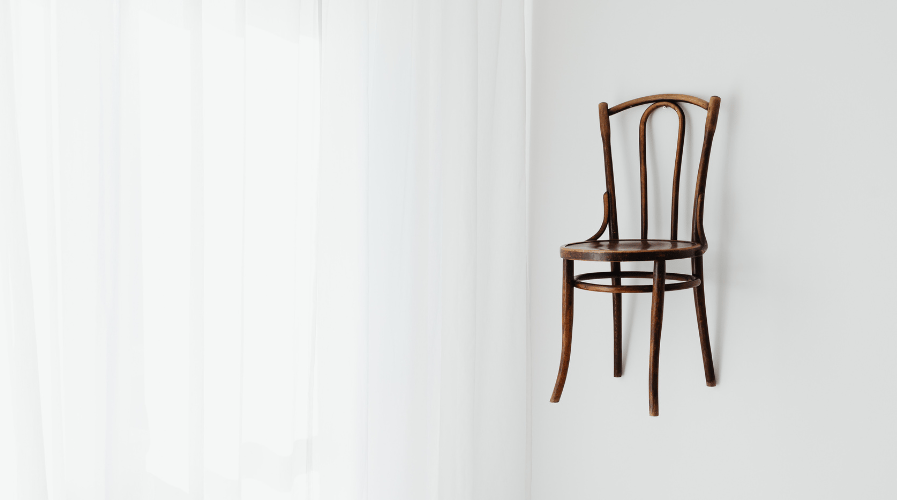
Seating determines whether a dining room is used or merely admired.
In a French Mediterranean dining room, chairs are not chosen to decorate the space. They are chosen to support proportion, materials, and long meals. Comfort is immediate. Presence is quiet. Nothing competes with the table or the light.
If seating is wrong, the room never settles.
Start with the table
Seating is always chosen in relation to the table.
Chair height, width, and weight must respond to the table’s scale and material. A heavy table requires chairs with visual substance. A lighter table needs seating that doesn’t overpower it.
Chairs selected independently of the table often feel mismatched, even when each piece is well made.
Proportion comes before style.
Low, grounded forms
Dining chairs in Mediterranean interiors sit lower than expected.
Lower profiles keep the room horizontal and prevent the seating from interrupting the flow of light. High-backed or overly tall chairs dominate the space and pull attention upward, breaking the room’s balance.
Armless chairs are often more appropriate. When arms are used, they should feel integrated, not assertive.
Comfort that doesn’t announce itself
Comfort is non-negotiable, but it should not be visible at first glance.
Overly padded or sculptural chairs tend to look heavy and perform poorly over time. Seating here is designed for real use, not short moments.
If a chair looks impressive before you sit down, it usually doesn’t belong.
Materials that belong at the table
Seating materials must respond to both light and use.
What works:
solid wood frames
linen or wool upholstery
leather that softens with age
What rarely works:
synthetic fabrics
glossy finishes
materials chosen for effect rather than durability
Dining chairs are handled daily. Materials must age well and feel natural under constant contact.
→ Dining Room – Materials & Finishes
Arrangement and spacing
How chairs sit around the table matters as much as their design.
There should be enough space for movement without the room feeling empty. Chairs should align naturally with the table and surrounding furniture. Overcrowding creates tension; too much distance feels unresolved.
Balance is quiet. If it draws attention, it’s off.
Mixing seating, carefully
Mixing chairs is possible, but only when done with restraint.
Differences should come from material or subtle variation, not shape or style. A room that mixes too many forms loses coherence quickly under steady light.
If mixing requires explanation, it’s usually too much.
What consistently fails
Certain seating choices rarely work in this context:
sculptural or statement chairs
tall, narrow forms
pieces chosen to “add interest”
Dining rooms do not need interest. They need stability.
Seating as the bridge
Seating connects everything:
it responds to light and proportion
it relies on materials and finishes
it prepares the room for color
Once seating is right, color choices become obvious rather than decorative.
→ Dining Room – Light & Proportion
→ Dining Room – Color in Southern Light