
Materials and Finishes in a French Mediterranean Dining Room
DINING ROOM
12/11/20252 min read
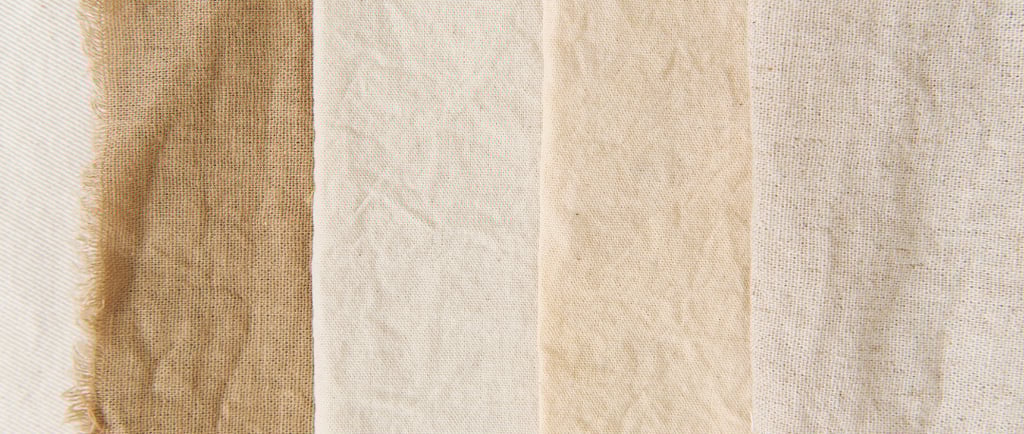
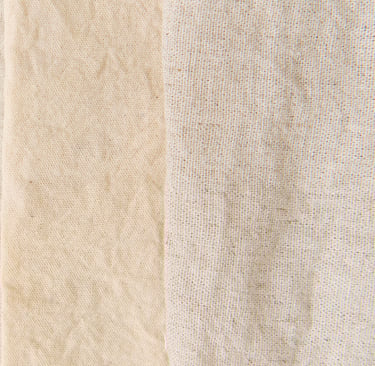
Materials define a dining room as much as light and proportion.
In a French Mediterranean interior, light reveals surfaces constantly. Each material either supports the space or undermines it over time. Choosing wisely ensures the room feels grounded, calm, and enduring.
Materials chosen for how they age
A Mediterranean dining room is meant to be used, not preserved.
The materials that succeed are those that absorb wear and settle naturally:
Solid wood
Stone
Linen
Wool
Ceramic
These materials respond to light, develop character with use, and maintain visual balance. Synthetic substitutes or highly processed finishes resist change, drawing attention in the wrong way and aging poorly.
If a material only looks good when untouched, it rarely belongs.
Stone: anchoring the space
Stone provides weight without dominating.
Flooring, tabletop surfaces, or architectural details in matte or softly honed stone anchor the room. They work with light, not against it. Glossy stone reflects too aggressively and draws attention to itself, disrupting the calm.
Stone does not decorate the room—it stabilizes it.
Wood: warmth and honesty
Wood introduces warmth and continuity.
Solid wood with visible grain ages gracefully
Lighter tones feel sun-washed
Darker tones provide depth when used sparingly
Highly processed or synthetic finishes resist natural change. They create tension in a room designed to settle with use. Wood should feel inherent, not styled.
Textiles: linen and wool
Textiles are tactile first, decorative second.
Linen and wool soften seating and surfaces without competing with light
Patterns are minimal or absent
Texture adds depth close up while remaining quiet from a distance
If a textile draws attention from across the room, it is doing too much.
Ceramic: imperfection as elegance
Ceramic works because it reflects subtle variation.
Hand-thrown or uneven pieces sit naturally in the room, catching light and creating interest without shouting. Uniform, glossy ceramics feel like decoration instead of an integrated element.
Ceramic should feel placed, not displayed.
Finishes that endure
The right finishes reinforce calm:
Matte or softly honed surfaces
Natural oils or waxes
Surfaces that show age gracefully
Avoid:
High-gloss coatings
Synthetic sheens
Finishes chosen for immediate effect
Soft finishes absorb light and time, allowing the room to settle visually.
What to avoid
Some materials consistently fail in Mediterranean dining rooms:
Synthetic imitations of natural materials
Lightweight composites
Finishes that resist aging
Durability is visual, not structural. A material belongs if it grows into the room rather than fights it.
How materials connect to the room
Material choices only make sense in context:
→ Light & Proportion determine exposure and scale
→ Seating dictates where softness and support are needed
→ Color responds to materials, not the other way around
Selection principle
Not every material belongs.
Each choice must:
age gracefully
support proportion and function
integrate seamlessly with light and seating
If a finish or surface needs justification, it likely does not belong.