
Light and Proportion in a French Mediterranean Living Room
LIVING ROOM
12/10/20252 min read
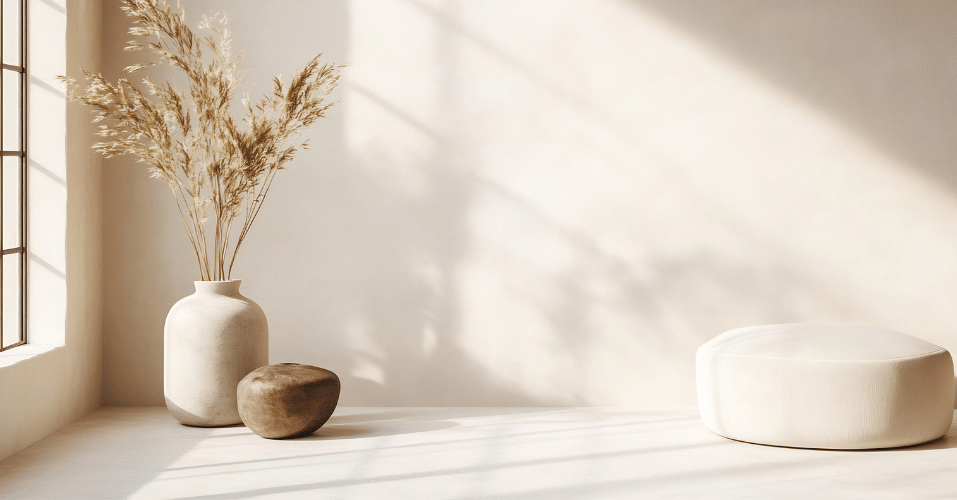

Before furniture, before color, before objects, there is light.
In a French Mediterranean living room, light is present most of the day. It moves slowly across walls and floors and leaves very little hidden. Anything artificial shows quickly. Anything unnecessary becomes obvious.
Rooms that last in this context are built around proportion, not decoration.
Southern light changes how rooms behave
Mediterranean light is steady rather than dramatic. It fills the space evenly and lingers longer than people expect.
Because of this:
glossy finishes reflect too aggressively
sharp contrasts feel abrupt
decorative effects lose their appeal quickly
What works instead are surfaces that absorb light and forms that sit comfortably within it.
A room that looks calm at noon will still feel right in the evening.
Proportion creates stability
Proportion does more work here than style ever could.
A French Mediterranean living room relies on:
low seating
wide, grounded forms
furniture that carries visual weight without feeling heavy
Pieces that are too tall or too thin never quite settle. They interrupt the horizontal flow of the room and draw attention to themselves.
When proportions are right, the room feels stable even when sparsely furnished.
Why low seating matters
Low seating is not a trend in Mediterranean interiors. It’s a response.
Lower profiles align better with the way light enters the room. They keep sightlines open and allow walls and materials to remain visible.
Sofas that sit too high tend to feel disconnected from their surroundings. Even well-made pieces can feel awkward if their proportions fight the architecture.
Comfort follows proportion, not the other way around.
Space is part of the composition
Empty space is not a gap to be filled.
Mediterranean living rooms often feel calm because there is less in them. Space allows light to move and materials to be seen. It also gives furniture room to breathe.
Rooms that are too full feel restless in steady light. Removing one piece often improves the whole.
If a room feels unfinished, it may simply be correct.
What consistently fails
Certain choices rarely work in this context:
furniture chosen for impact rather than use
tall, narrow pieces with little visual weight
sculptural forms that rely on contrast
These elements draw attention to themselves instead of supporting the room as a whole.
If something feels impressive before it feels comfortable, it usually doesn’t belong.
Light informs every other decision
Once light and proportion are understood, the rest becomes clearer.
Materials respond differently depending on scale and exposure. Color behaves differently depending on surface and placement. Seating choices make sense once the room’s balance is established.
This is why light and proportion always come first.
From here:
Materials can be chosen for how they age in this light
→ Living Room - Materials & FinishesSeating can be used quietly, without emphasis
→ Living Room - SeatingColor can be selected with confidence
→ Living Room - Color
A French Mediterranean living room doesn’t need much to feel complete.
It needs light to move freely, proportions that hold their ground, and the restraint to stop before the room starts asking for attention.
Everything else is secondary.