
Seating in a French Mediterranean Living Room
LIVING ROOM
12/13/20252 min read
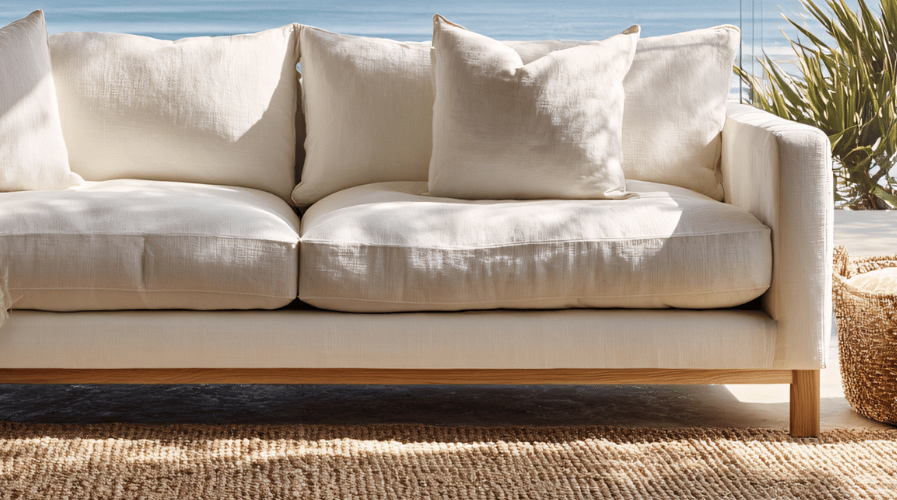
Seating defines the living room more than any other element.
In a French Mediterranean interior, sofas and chairs do not call attention to themselves. They exist to support use, proportion, and materials. Comfort is immediate and unquestioned; design is subtle and grounded.
Everything else—the walls, the floors, the light—responds to seating. If seating is wrong, the room never feels right, no matter how carefully chosen the other elements are.
Low, grounded profiles
Seating must sit low.
Low sofas and chairs maintain sightlines, allow light to move freely, and respect the horizontal flow of the room.
Tall or high-profile seating interrupts proportion, draws attention, and quickly feels out of place. Even a beautiful piece can fail if it fights the architecture.
The goal is visual weight without asserting itself.
Depth and scale
Depth matters more than silhouette.
Generous seating invites use. It feels natural to lounge in. Shallow or sculptural seating may look interesting but rarely performs in real life.
Scale is measured horizontally and in relation to surrounding furniture. Proportion, not style, determines the right size.
Materials in context
Seating is where materials meet function.
Linen and wool: soft without dominating, absorb light, settle with use
Wood: frames that age gracefully, carry visual weight
Stone or ceramic accents: grounding elements like small tables or built-in seating
Synthetic fabrics, high-gloss finishes, or overly processed wood often feel foreign in the room. They resist light and time, making seating feel temporary rather than permanent.
→ Materials & Finishes
Comfort without announcement
True comfort is understood, not advertised.
A sofa that looks impressive before you sit on it usually fails the room. Seating in a French Mediterranean living room is meant to be inhabited, not showcased.
If a chair or sofa demands attention, it competes with the architecture instead of supporting it.
Arrangement and negative space
How seating is arranged is as important as the pieces themselves.
Group pieces horizontally to match the flow of light
Leave intentional gaps to allow negative space
Avoid overcrowding or forcing symmetry
Rooms that feel “too full” almost always do so because seating is misjudged or oversized.
→ Light & Proportion
Color and texture
Seating choices inform color and material decisions.
Base tones should respond to light first (linen, warm stone)
Anchors can be deeper materials (olive, charcoal)
Textures should add subtle interest, not dominate
Seating is where color and material finally interact in practice, preparing the room for the next layer: Color application.
→ Color in a French Mediterranean Living Room
Selection criteria
Not every piece belongs.
Must support the room without drawing attention
Must age well with light and use
Must respond to proportion first, comfort second, style last
If a piece requires explanation or justification, it usually doesn’t belong.